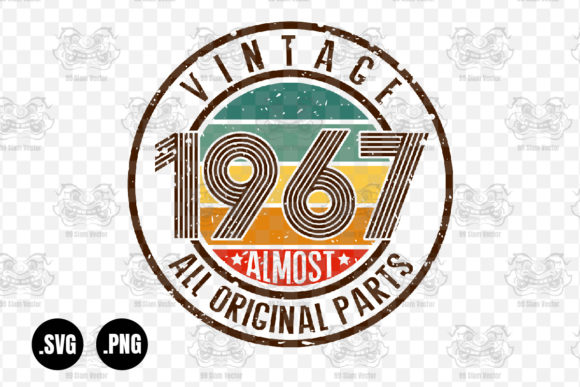
Reviewing Vintage 1967 Almost All Original Parts
As an embroidery designer who has spent years digitizing files and stitching out thousands of samples, I approach every new machine embroidery design with a critical eye. It is not enough for a graphic to look cute on a screen; it must survive the needle, the thread tension, and the wash cycle. Recently, I evaluated the Vintage 1967 Almost All Original Parts file for potential use in client projects and my own small shop inventory. This piece falls squarely into the category of nostalgic humor, a genre that performs exceptionally well in the Crafts and Graphics markets when executed correctly.
First Impressions and Visual Personality
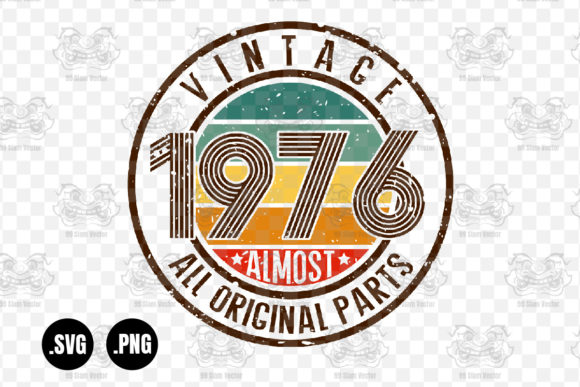
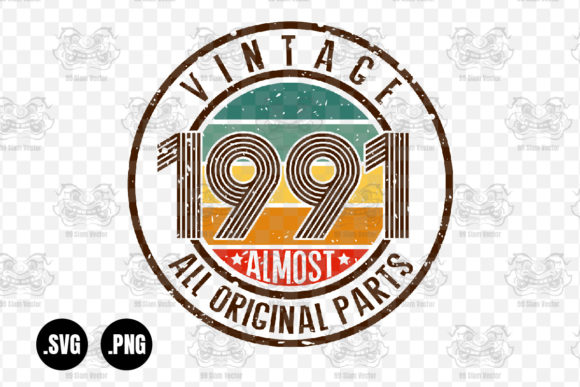
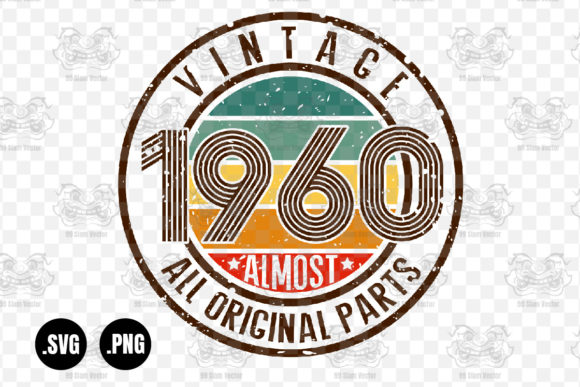
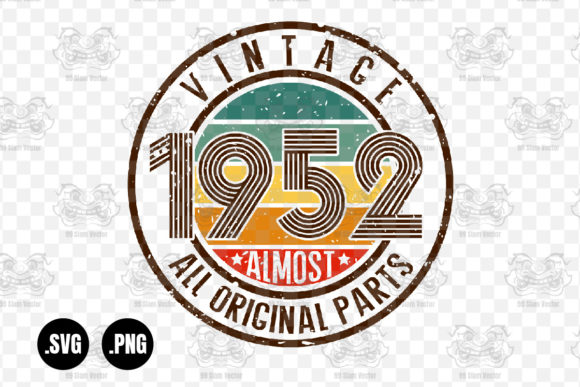
The immediate appeal of this design lies in its retro typography and witty sentiment. The phrase "Almost All Original Parts" suggests a playful acknowledgment of aging, making it a perfect fit for birthday gifts or milestone celebrations. Visually, the layout balances text weight effectively, which is crucial for embroidery. When I first opened the SVG and png file, I looked for clean lines and adequate spacing between letters. In embroidery, tight kerning can lead to thread bunching, so seeing distinct separation in the source file was a positive sign. The mood is lighthearted yet classic, avoiding overly trendy fonts that might date quickly. This timeless quality makes it a versatile design asset for any craft business looking to build a reliable catalog of best-sellers.
Real-World Application: The Custom Sweatshirt Test
To truly understand how Vintage 1967 Almost All Original Parts performs, I imagined a specific real-life scenario: a custom order for a 57th birthday gift. The client requested a high-quality cotton blend sweatshirt in heather gray. This is a common request for Etsy sellers and handmade product creators. The challenge with sweatshirts is the textured surface and the stretch of the fabric. I considered how the design would sit on the chest. Because the text is horizontal and relatively wide, it requires a stable hoop area. I visualized using a medium to large hoop size to ensure the entire phrase remained flat during stitching. The vintage aesthetic pairs beautifully with muted thread colors like mustard yellow, burnt orange, or slate blue, rather than neon brights. This color strategy enhances the retro vibe and ensures the finished product looks professional rather than cheap.
Material Considerations and Stitching Clarity
When working with any text-based embroidery file, the choice of stitch type is paramount. For this design, I would recommend a combination of satin stitch for smaller elements if present, and a dense fill stitch or carefully managed running stitch for larger letterforms to prevent snagging. The clarity of the text depends heavily on stitch density. If the density is too low, the fabric shows through, ruining readability. If it is too high, the fabric puckers. Since the source description mentions it is great for vinyl and cutting, the vector paths are likely clean, which translates well to digitizing. However, as an embroiderer, you must verify the digitization quality. I always advise testing the design on scrap fabric first, especially if you are converting the SVG yourself or using a pre-digitized version. Check the thread contrast against both light and dark backgrounds. A white thread on a black shirt might require an underlay stitch to pop, whereas navy thread on cream fabric offers natural contrast.
Navigating Potential Pitfalls
While Vintage 1967 Almost All Original Parts is a strong contender for many projects, there are situations where caution is needed. Small hoop sizes, such as 4x4 inches, might truncate the design or force the text to be scaled down to a point where legibility suffers. Tiny lettering is the enemy of embroidery; if the text becomes too small, the threads merge, and the message is lost. Additionally, curved surfaces like caps present a challenge. Stitching long horizontal lines on a curved brim can cause distortion. For cap projects, I would recommend breaking the design into two lines or choosing a different placement, such as the side panel. Textured fabrics like terry cloth towels also require careful stabilizer selection. A cut-away stabilizer is often necessary to support the weight of the stitches and prevent the design from sinking into the pile of the towel.
Commercial Viability and Brand Consistency
For small shop owners and digital product sellers, this design offers significant commercial potential. Birthday demographics are vast, and the year 1967 targets a specific, affluent cohort likely to appreciate personalized humor. Using this file for custom apparel, tote bag designs, or even embroidered patches can diversify your product line. The key to success is consistency. Ensure that the presentation of the printable mockup matches the quality of the actual stitched item. High-resolution photos of the embroidered result build customer trust. When listing this as a commercial embroidery asset, be transparent about the file formats provided. The description notes it includes SVG and PNG, which are excellent for printing and cutting, but if you are selling the physical embroidered item, the buyer cares about the stitch quality, not the vector file. Clarify whether the license allows for unlimited physical sales or if there are restrictions.
Practical Designer Notes for Best Results
Before committing to a full production run of Vintage 1967 Almost All Original Parts, follow these practical steps to ensure professionalism:
- Test on Scrap Fabric: Always stitch a sample on the same material type you intend to sell. This reveals issues with tension and density.
- Check Thread Color Contrast: Use a color wheel to select threads that stand out against your base fabric. Vintage tones work best for this specific theme.
- Inspect Small Details: Zoom in on the digitized file to check for unnecessary jump stitches or loose ends that could unravel.
- Use Proper Stabilizer: Match the stabilizer to the fabric weight. Heavy fabrics may need only tear-away, while stretchy knits require cut-away.
- Verify Licensing: Confirm that the license terms allow for commercial use of the finished items if you plan to sell them on Etsy or at craft fairs.
In conclusion, Vintage 1967 Almost All Original Parts is a robust choice for designers looking to add humor and nostalgia to their portfolio. Its strength lies in its clear messaging and versatile application across various handmade products. By paying attention to stitch density, fabric choice, and proper stabilization, you can transform this digital graphic into a high-value personalized gift or boutique item. Whether used for a holiday embroidery project or a year-round bestseller, this design holds up well under the scrutiny of real-world production. Remember, the best embroidery designs are those that respect the limitations of the machine while maximizing the emotional connection with the recipient. This file, when handled with care, achieves that balance effectively.