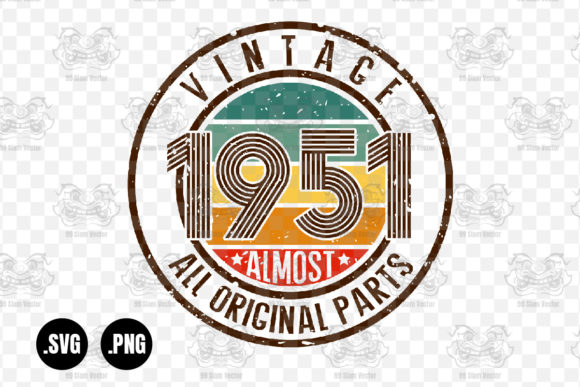
Reviewing the Vintage 1951 Almost All Original Parts Design
As an embroidery designer who has spent countless hours digitizing, testing, and stitching out designs for clients, I have learned that not every graphic translates well to thread. When I first encountered Vintage 1951 Almost All Original Parts, my immediate reaction was one of cautious optimism. The concept is undeniably charming—a playful nod to aging with humor—but the execution in a digital format requires careful scrutiny before it hits the needle. This review breaks down how this specific design performs in real-world embroidery scenarios, moving beyond the static image to assess its viability as a functional machine embroidery design for crafters and small business owners.
First Impressions and Visual Personality
The mood of this piece is lighthearted and nostalgic. It taps into a specific demographic: those celebrating a milestone birthday or appreciating vintage automotive and mechanical aesthetics. Visually, the layout suggests a balance between bold typography and illustrative elements. For an embroidery project, this is crucial. If the text is too thin or the details too intricate, they will get lost in the fabric texture. My initial assessment focuses on the clarity of the "Almost All Original Parts" phrase. In a digital embroidery file, legibility is paramount. The design needs sufficient spacing between letters to prevent thread bridging, especially if stitched at smaller sizes.
This type of Graphics asset often originates as an SVG or PNG intended for vinyl cutting or printing. However, translating it to embroidery requires a different mindset. While the source files are great for printing and cutting, an embroiderer must consider stitch direction and density. The vintage aesthetic implies a certain ruggedness, which pairs well with the tactile nature of thread. It feels right at home in the Crafts category, appealing to makers who value personality over perfection.
Real-World Application: The Custom Sweatshirt Test
To truly evaluate Vintage 1951 Almost All Original Parts, I imagined applying it to a mid-weight cotton blend sweatshirt. This is a common request for Etsy sellers and small shop product lines. The chest area provides a stable canvas, but the fabric’s slight stretch demands attention. If the design relies heavily on satin stitch borders without proper underlay, it might pucker the garment. A well-digitized version of this quote would likely utilize a combination of fill stitch for larger graphical elements and running stitch or lightweight satin for the text to maintain flexibility.
I also considered its use on a canvas tote bag design. Here, the durability of the stitch matters. A customer carrying groceries needs a design that won’t unravel after a few washes. The humorous nature of the quote makes it an excellent personalized gift for a father, grandfather, or anyone turning seventy-three. The visual appeal here drives buyer engagement; it is conversational and shareable. When a customer sees this on a finished product, they immediately understand the tone. It builds trust because it shows the maker understands the recipient’s sense of humor.
Considerations for Challenging Surfaces
Not every surface is forgiving. If you plan to use this design on a curved surface like a cap, you must be wary of distortion. The width of the phrase "Almost All Original Parts" might exceed the optimal hoop area for standard caps, requiring a split design or a smaller font size that risks readability. Similarly, on thin fabrics like a baby onesie, the stitch density must be reduced. Heavy stitching on delicate material causes stiffness and discomfort. For baby embroidery, I would recommend scaling down the design significantly or using it as part of an applique design where fabric pieces cover the bulk of the area, reducing thread count against the skin.
Dark fabrics present another challenge. If the original SVG uses light colors, you must ensure your thread selection offers high contrast. A navy blue shirt with dark grey thread will render the joke invisible. Always test your thread colors against the fabric background. A printable mockup can help visualize this, but nothing beats a physical stitch-out on scrap fabric. This step is non-negotiable for professional commercial embroidery work.
Enhancing Product Value and Brand Consistency
For craft business owners, consistency is key. Using a design like Vintage 1951 Almost All Original Parts can strengthen brand identity if it aligns with a retro or humorous niche. It adds perceived value because it feels custom and thoughtful. However, the quality of the digitization directly impacts professionalism. Poorly connected stitches or excessive jump threads can make even a funny quote look amateurish. Buyers engage with products that look polished. A clean finish, proper trimming, and appropriate stabilizer use elevate the item from a simple craft to a boutique-quality good.
This design serves as a versatile design asset. It can be adapted for holiday embroidery gifts, such as Father’s Day or birthdays throughout the year. Its timeless theme ensures it doesn’t feel dated quickly, unlike trend-specific graphics. For apparel decorators, this means a longer shelf life for the design in their catalog. It is a reliable seller that can be marketed repeatedly without losing relevance.
Practical Designer Notes for Execution
Before committing to a full production run, heed these practical tips:
- Test on Scrap Fabric: Always stitch a sample on the same material and weight you intend to use for the final product. This reveals issues with tension and density.
- Check Stabilizer Compatibility: Use a cut-away stabilizer for stretchy knits like sweatshirts to prevent distortion over time. For woven totes, a tear-away may suffice.
- Verify Licensing: Since the source includes SVG and PNG files for printing and cutting, confirm whether the embroidery rights are included. Many graphic licenses do not automatically cover commercial embroidery sales. Check the terms before listing items on Etsy or at craft fairs.
- Inspect Small Details: Zoom in on the digital file. Are there tiny elements that might break off during washing? Simplify if necessary.
- Contrast is King: Ensure your thread choice stands out against the fabric. High contrast improves readability and visual impact.
In conclusion, Vintage 1951 Almost All Original Parts is a strong candidate for various embroidery applications, provided it is handled with technical care. It bridges the gap between digital graphics and tactile craft, offering a humorous and heartfelt message that resonates with customers. By respecting the limitations of the medium and prioritizing stitch quality, designers can turn this simple quote into a standout piece in their portfolio. Whether for a custom apparel order or a ready-made shop item, this design holds promise for those willing to put in the preparatory work.