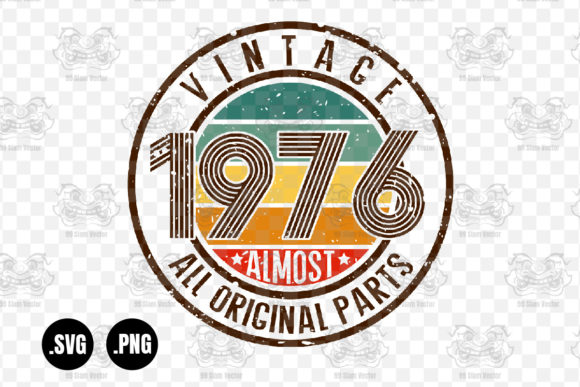
Review: Vintage 1968 Almost All Original Parts Design
As a designer who has spent countless hours digitizing and testing files for real-world production, I approach every new machine embroidery design with a critical eye. It is not enough for a graphic to look cute on a screen; it must hold up under the needle, survive the wash cycle, and resonate with the end customer. Recently, I evaluated the Vintage 1968 Almost All Original Parts file, a piece of digital art that sits at the intersection of nostalgia and humor. This review breaks down how this specific embroidery file performs when moved from a digital asset to a tangible, stitched product.
First Impressions and Visual Personality
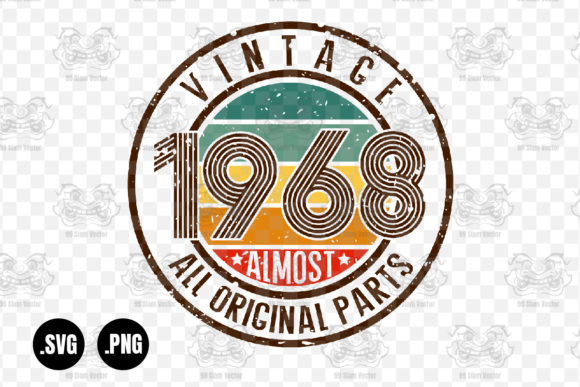
The immediate appeal of Vintage 1968 Almost All Original Parts lies in its witty, self-deprecating charm. It taps into a specific demographic—those celebrating a birthday or milestone year—with a tone that is lighthearted rather than sentimental. Visually, the layout is clean, relying on strong typography and balanced spacing. For an embroiderer, this is good news. Complex, cluttered designs often turn into muddy messes when stitched out, but this graphic’s open structure suggests it will translate well to thread.
The mood is retro-cool, fitting perfectly within the current trend of vintage-inspired Crafts and handmade goods. It does not scream for attention with excessive ornamentation; instead, it relies on the clarity of its message. When I first opened the SVG and PNG files, I noted the sharp edges and clear lines, which are essential for converting vector graphics into stitch paths without losing definition.
Real-World Application: The Custom Sweatshirt Test
To truly understand the value of this design, I imagined a typical client request: a custom birthday gift for a father figure or a fun-loving friend turning a significant age. I visualized placing Vintage 1968 Almost All Original Parts on a mid-weight cotton blend sweatshirt. This is a common custom apparel project for small shop owners and Etsy sellers.
In this scenario, the design acts as the focal point. Because the text is the primary element, the choice of thread becomes critical. A high-contrast combination, such as cream thread on a navy heather garment, would ensure readability. The "Almost All Original Parts" phrase suggests durability and resilience, making it an ideal candidate for items meant to be worn and washed frequently. However, this also means the stitching must be secure. I would recommend using a sturdy fill stitch for the larger letters to prevent puckering, while ensuring the density is not so high that it creates a stiff, cardboard-like feel on the fabric.
Versatility Across Product Lines
Beyond apparel, this design shows promise in various handmade product categories. For a tote bag design, the bold lettering would stand out against canvas material. Here, you might opt for a heavier thread weight to match the rugged texture of the bag. For a more delicate application, such as a baby embroidery project on a onesie for a grandchild born to parents who were themselves born in 1968, the scale would need to be reduced significantly. In such cases, checking the legibility of the smaller text is vital before committing to the final stitch-out.
The file’s utility extends to embroidered patch creation as well. Patches are increasingly popular for boutique branding and craft fair products. The contained nature of the text makes it easy to hoop and stitch on twill or felt backing. Once cut, these patches can be applied to caps, jackets, or bags, adding value to simple base items. This versatility makes it a strong addition to any designer’s library of design assets.
Technical Considerations and Stitching Challenges
While the design is visually appealing, practical execution requires attention to detail. One major consideration is the stitch density. Humor-based text designs often fail if the letters are too thin or if the spacing between words is too tight. When converting this SVG for embroidery, you must ensure that the satin stitch width is appropriate for the font size. If the letters are too narrow, a satin stitch may collapse or look uneven. In such cases, switching to a running stitch or a light fill might preserve the integrity of the text.
Fabric choice plays a massive role in the final outcome. On textured fabrics like terry cloth towels or fuzzy fleece, fine details can get lost. For a holiday embroidery gift like a kitchen towel, I would advise using a contrasting color and potentially increasing the stitch count slightly to ensure the text pops against the loops of the fabric. Conversely, on smooth, stretchy fabrics like performance tees, proper stabilization is non-negotiable. Without a quality stabilizer, the tension from the stitching could distort the garment, ruining the clean lines of the vintage quote.
Navigating Small Hoops and Curved Surfaces
If you plan to use this on a cap or a curved surface, hooping becomes a challenge. The length of the phrase "Almost All Original Parts" may exceed the standard 4x4 inch hoop. You might need to split the design or use a larger hoop, such as a 5x7 or 6x10, depending on your machine’s capabilities. Always check the dimensions of the SVG file before purchasing or stitching. If the design is too wide for a standard cap frame, it may need to be resized, which could impact the thickness of the strokes. Always test on scrap fabric first to confirm that the resized version remains legible.
Commercial Viability and Brand Consistency
For the Etsy seller or craft business owner, this design offers strong commercial potential. Nostalgia sells, and humor creates an emotional connection. Customers are more likely to engage with a product that makes them smile. When used in printable mockup previews or digital product listings, the clean lines of the graphic allow for easy visualization. It looks professional in photos, which helps build buyer trust.
However, professionalism also means respecting licensing. Before selling finished items or using this as part of a larger commercial embroidery project, verify the license terms associated with the download. Many creators offer files for personal use only, while others allow small business commercial use. Ensuring you have the right to sell the finished product protects your shop from legal issues and maintains your reputation as a serious entrepreneur.
Final Designer Notes
To get the best results from Vintage 1968 Almost All Original Parts, follow these practical steps:
- Test on Scrap Fabric: Always run a test stitch on the same type of fabric you intend to use for the final product. This reveals issues with tension, density, and thread breakage.
- Check Thread Contrast: Use high-contrast thread colors to ensure the humor is readable from a distance. Dark thread on light fabric or vice versa works best.
- Review Stitch Density: Adjust the density settings in your digitizing software if necessary. Too dense, and the fabric puckers; too light, and the background shows through.
- Confirm Hoop Size: Measure the design dimensions against your available hoops. Do not assume it fits standard sizes without checking.
- Inspect Small Details: Zoom in on the vector file to check for any stray nodes or tiny elements that may not stitch well.
- Use Proper Stabilizer: Match the stabilizer to the fabric weight. Cut-away for stretchy knits, tear-away for stable wovens.
In conclusion, Vintage 1968 Almost All Original Parts is a versatile and engaging design that bridges the gap between digital Graphics and tactile embroidery. With careful attention to stitch technique and material selection, it can elevate a simple garment into a cherished personalized gift or a best-selling item in your online store. It is a solid choice for designers looking to add a touch of wit and vintage flair to their portfolio.