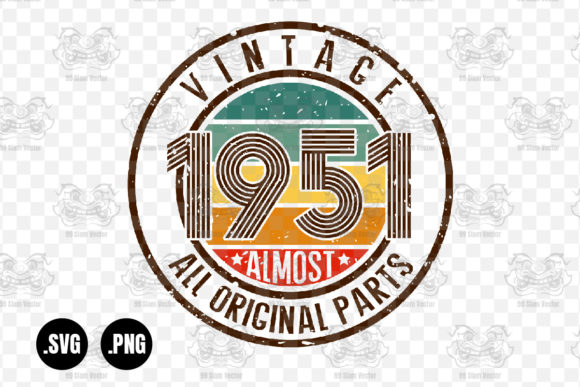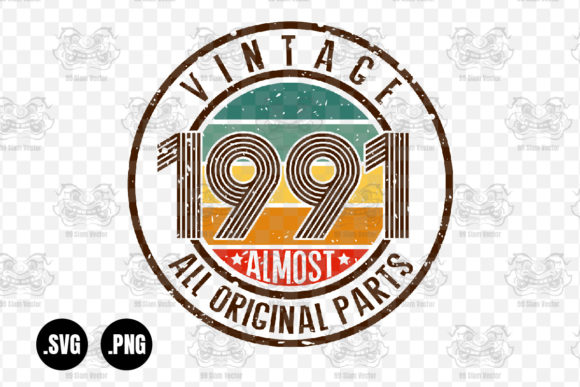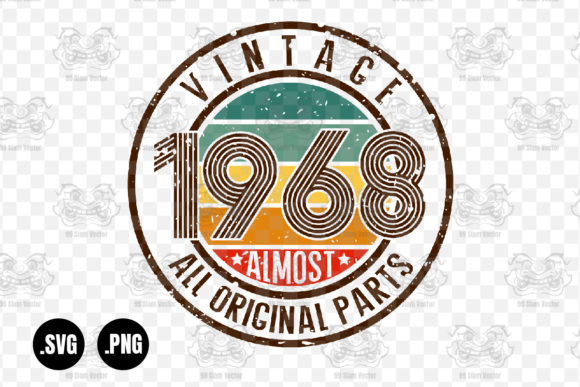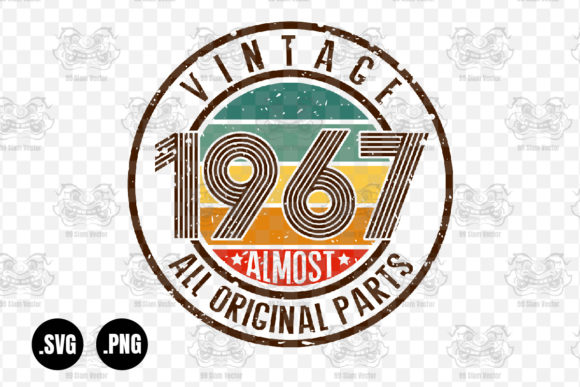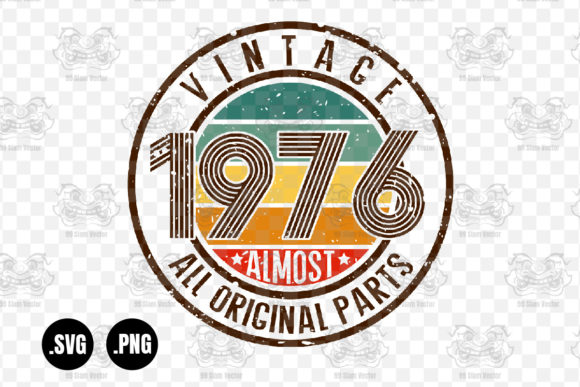
Reviewing the Vintage 1976 Almost All Original Parts Design
As a designer who spends more time staring at stitch maps than actual fabric, I have developed a keen eye for what translates well from screen to thread. When I first encountered the Vintage 1976 Almost All Original Parts graphic, my initial reaction was not just about the nostalgia factor, though that is certainly strong. Instead, I looked at it through the lens of practical application. This is a piece of digital art that sits squarely in the Crafts and Graphics categories, but its true value lies in how it performs as a tangible, stitched product. For embroidery designers and small business owners, understanding the gap between a vector file and a finished garment is crucial.
The Aesthetic Appeal and First Impressions
The phrase "Almost All Original Parts" carries a specific weight. It is humorous, self-deprecating, and deeply relatable for anyone approaching their late forties or early fifties. Visually, the design relies on a vintage typographic style that suggests durability and classic charm. For an embroidery project, this aesthetic is forgiving. Unlike ultra-modern, minimalist designs that require perfect tension and zero puckering, a vintage-inspired layout allows for a bit of texture. The mood it creates is warm and inviting, making it an ideal candidate for personalized gifts that feel thoughtful rather than mass-produced.
When evaluating this as a machine embroidery design concept, I consider the balance of positive and negative space. The text-heavy nature of this quote means that legibility is paramount. In a digital SVG and png file, the lines might look crisp, but once converted into stitches, those thin serifs can disappear if the stitch density is not managed correctly. The design’s personality feels right for casual wear and home decor, suggesting a relaxed, confident vibe that appeals to a broad demographic.
Real-World Application: The Sweatshirt Test
To truly evaluate this design, I imagined applying it to a mid-weight cotton blend sweatshirt. This is a staple item for any Etsy seller or craft business. The goal was to create a custom apparel piece that a customer would wear proudly on their birthday. The humor of the quote pairs perfectly with the comfort of a sweatshirt. However, the challenge here is the curvature of the chest area. If the design is too wide, it will distort when worn. If it is too small, the intricate details of the vintage font may get lost in the fabric pile.
In this scenario, the Vintage 1976 Almost All Original Parts design shines because it is inherently bold. It does not rely on tiny, fragile details that might break under stress. Instead, it uses strong letterforms that hold up well against the textured surface of fleece or terry cloth. For a handmade product, this reliability is key. Customers expect durability, especially from items meant to be worn repeatedly. A design that looks good in a printable mockup but fails in real life can damage a brand’s reputation quickly.
Navigating Fabric and Hoop Constraints
While the design is versatile, it is not without its limitations. Embroidery designers must be cautious when placing this on stretchy fabrics or dark materials. On a black hoodie, for instance, the contrast becomes critical. If the original graphic uses subtle shades, they may vanish into the dark background unless high-contrast thread colors are selected. I recommend testing the design on scrap fabric first, specifically using the same material intended for the final finished product.
Another consideration is the hoop size. This quote is likely best suited for a 5x7 or larger hoop to ensure the text remains readable. Attempting to shrink it down for a small pocket embroidery or a baby hat could result in illegible stitching. For baby embroidery, simplicity is usually preferred, and while this quote is funny for parents, the complexity might be too much for a tiny onesie. However, it would work beautifully on a tote bag design or a sturdy canvas apron, where the flat surface allows for precise stitching without distortion.
Commercial Viability and Brand Consistency
For commercial embroidery projects, consistency is everything. Using a reliable digital embroidery file ensures that every unit produced looks identical. The Vintage 1976 Almost All Original Parts graphic offers a consistent visual identity that can help build brand recognition. Whether used for holiday embroidery gifts or year-round small shop product listings, the design’s timeless appeal means it does not go out of style quickly. This longevity is a significant advantage for inventory management.
Moreover, the versatility of the source files—being great for vinyl, printing, and cutting—means that a seller can offer coordinated products. Imagine a matching set: an embroidered sweatshirt and a vinyl-decal water bottle. This cross-promotion increases the perceived value of the design assets and encourages larger purchases. For creative entrepreneurs, this multi-use potential is a major selling point.
Technical Notes for the Serious Stitcher
Before committing to a large production run, there are several technical checks to perform. First, verify the license terms. While the description states the files are great for designing, always confirm whether commercial use is permitted for the specific embroidery file format you purchase. Second, inspect the digitization. If you are converting the SVG yourself, pay close attention to the underlay stitches. A proper underlay stabilizes the fabric and prevents shifting, which is crucial for text-based designs.
Use a appropriate stabilizer for your fabric choice. Cut-away stabilizer is often best for stretchy garments like t-shirts, while tear-away may suffice for woven tote bags. Test different thread colors to see which combination offers the best readability and aesthetic appeal. Sometimes, a two-tone approach can add depth to the vintage look, mimicking the worn effect of old print.
Final Verdict on the Design
The Vintage 1976 Almost All Original Parts design is a strong contender for any embroidery portfolio focused on humor and nostalgia. It balances visual appeal with practical stitchability, provided the designer respects the constraints of hoop size and fabric texture. It is not just a graphic; it is a conversation starter. For makers and hobbyists, it offers a fun project that yields impressive results. For professionals, it represents a reliable asset that can drive sales and enhance brand personality. By approaching it with careful preparation and technical diligence, this design can become a standout piece in any collection of personalized gift options.