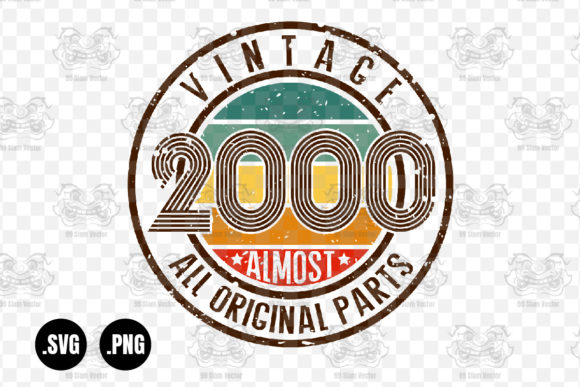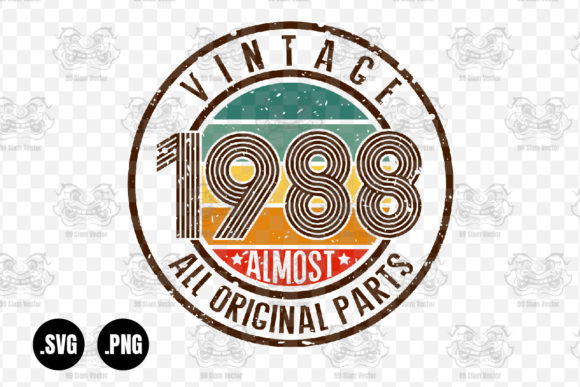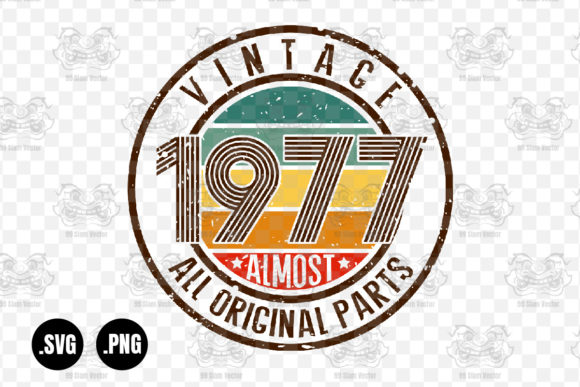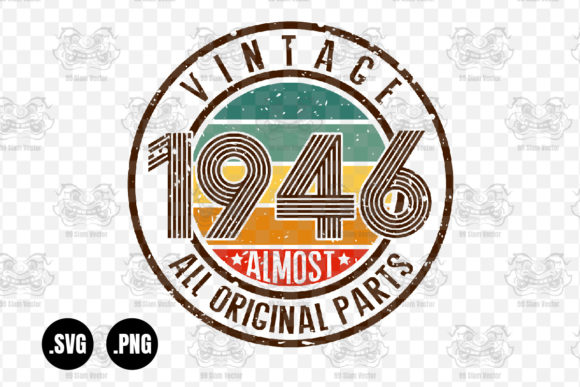
Vintage 1970 Almost All Original Parts: A Designer’s Review
As an embroidery designer who has spent years digitizing and stitching thousands of designs, I have learned that not every graphic translates well to thread. When I first encountered Vintage 1970 Almost All Original Parts, my initial reaction was one of cautious optimism. The concept is a staple in the birthday niche, but execution is everything. This specific design, categorized under Crafts and Graphics, promises a blend of nostalgia and humor that appeals to a wide demographic. However, before I commit to stitching this onto a client’s custom apparel or adding it to my small shop product line, I need to know how it behaves under the needle.
First Impressions and Visual Personality
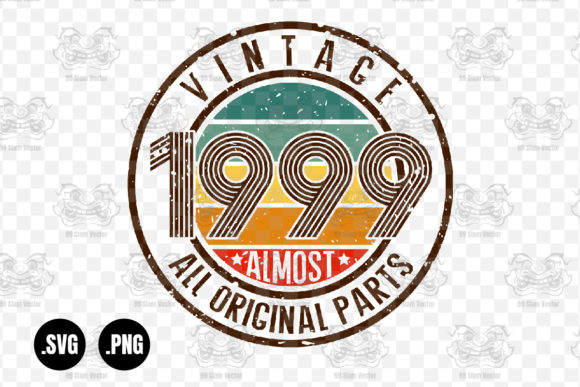
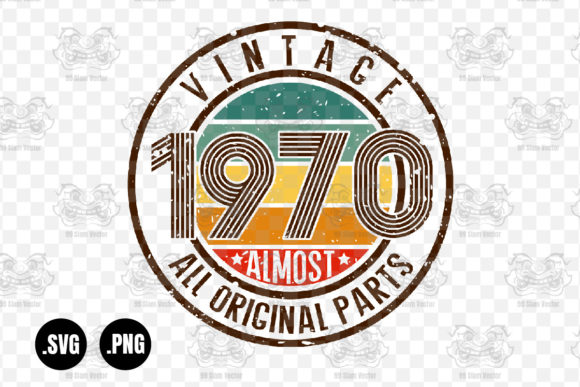
The mood of this design is playful yet grounded. The phrase "Almost All Original Parts" suggests a self-deprecating humor that resonates deeply with the 50-plus demographic celebrating a milestone birthday. Visually, the layout relies on clean typography rather than complex illustrations. For an embroidery project, this is often a blessing. Complex gradients and tiny details in digital files can become a nightmare when converted into satin stitch or fill stitch patterns. Here, the bold lettering suggests that the design will hold up well, provided the digitizer has paid attention to spacing and stitch direction.
The vintage aesthetic implies a certain ruggedness or worn-in feel. In embroidery, we can mimic this through thread choice rather than relying solely on the file itself. Using slightly muted or heathered thread colors can enhance the retro vibe, making the finished product feel authentic rather than just printed on fabric. This attention to materiality is what separates a generic handmade product from a boutique-quality item.
Real-World Application: The Sweatshirt Test
To truly evaluate Vintage 1970 Almost All Original Parts, I imagined a real-life scenario. A client approaches me for a personalized gift for her father’s upcoming birthday. She wants something comfortable, durable, and stylish enough for casual wear. We decide on a high-quality cotton-blend sweatshirt. This is the perfect canvas for this design. The thick fabric provides a stable base for the embroidery machine, reducing the risk of puckering that often plagues thinner materials.
When placing the design on the chest, left-aligned, it acts as a subtle statement piece. If placed centrally on the back, it becomes a bold conversation starter. The key here is scale. Since the design is text-heavy, it needs enough room to breathe. Cramping the letters into a small hoop size will compromise readability and increase stitch density, which can lead to fabric distortion. For a sweatshirt embroidery project, I would recommend a minimum hoop size that allows each letter to be distinct, ensuring the "funny quotes" aspect lands effectively without looking cluttered.
Navigating Fabric and Stitch Challenges
While this SVG and PNG file is marketed as great for vinyl and printing, our focus is on the needle. Text-based designs present unique challenges. The horizontal strokes in letters like "E," "A," and "H" are prone to pulling if the stitch density is too high. Conversely, if the density is too low, the fabric background may show through, ruining the visual appeal. As a reviewer, I advise testing the design on scrap fabric first. This simple step saves hours of frustration and wasted materials.
Textured fabrics, such as terry cloth towels or waffle-knit aprons, require extra caution. The loops in these materials can get caught in the stitches, leading to uneven tension. For a kitchen towel or apron featuring this birthday motif, using a cut-away stabilizer is non-negotiable. It provides the necessary support to keep the design crisp after multiple washes. On stretchy fabrics like jersey t-shirts, the risk of distortion is higher. Here, a tear-away stabilizer might suffice for short-term wear, but for a lasting handmade product, a lightweight cut-away ensures the embroidery remains flat and professional.
Commercial Viability for Etsy Sellers and Crafters
For Etsy sellers and creative entrepreneurs, Vintage 1970 Almost All Original Parts represents a strong asset. Birthday merchandise is evergreen, and the "vintage" angle taps into a lucrative market of buyers looking for meaningful, personalized gifts. The design’s versatility allows it to be used across various products: tote bags, caps, pillow covers, and even embroidered patches. Each application requires a slight adjustment in technique but offers a new revenue stream.
Consider the embroidered patch. By stitching this design onto a twill backing and cutting it out, you create a versatile accessory that customers can iron or sew onto jackets, bags, or hats. This expands the utility of the digital embroidery file beyond direct-to-garment applications. It also allows for batch production, where you can stitch multiple patches at once, increasing efficiency for your craft business. The clarity of the design ensures that even at smaller sizes, the message remains legible, which is crucial for brand consistency and customer trust.
Practical Designer Notes for Best Results
- Check Thread Contrast: Ensure your thread colors stand out against the fabric. A dark thread on a dark shirt will vanish. Use a color chart to plan your palette before threading the machine.
- Review Stitch Density: High density can cause puckering, especially on lighter fabrics. Adjust your machine settings or ask your digitizer for a version optimized for delicate materials if needed.
- Test on Scrap Fabric: Always run a test stitch-out. This reveals any issues with thread breaks, tension, or registration before you touch the final garment.
- Confirm Licensing: Before selling finished items or digital products, verify the license terms associated with the SVG and PNG file. Commercial use rights vary, and protecting your business is paramount.
- Mockup Verification: Create black and white mockups to check for contrast issues. If the design disappears in grayscale, it may lack sufficient definition for embroidery.
Final Verdict on Design Utility
In the realm of commercial embroidery and custom apparel, Vintage 1970 Almost All Original Parts proves to be a reliable and engaging choice. It balances humor with style, making it suitable for a wide range of recipients. While it requires careful handling regarding fabric choice and stabilizer selection, the end result is a high-value handmade product that customers appreciate. For designers and makers, it offers a solid foundation for creating memorable birthday gifts and boutique merchandise. By respecting the technical limitations of embroidery and leveraging the design’s inherent charm, you can produce work that stands out in a crowded market. Whether you are decorating a cap for a local craft fair or creating a custom tote bag for an online order, this design delivers both personality and professionalism.