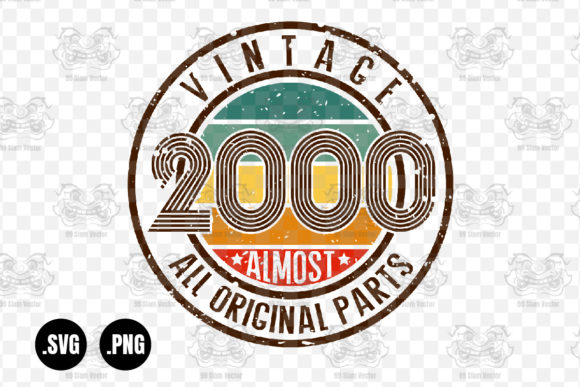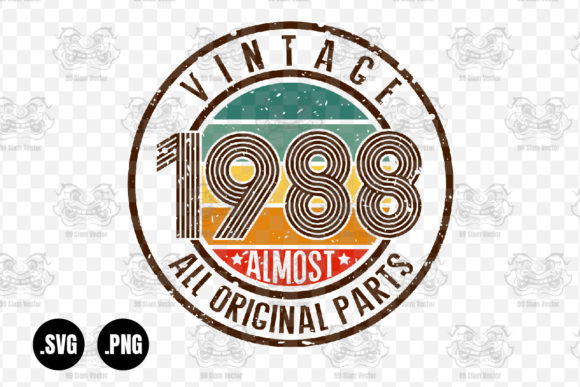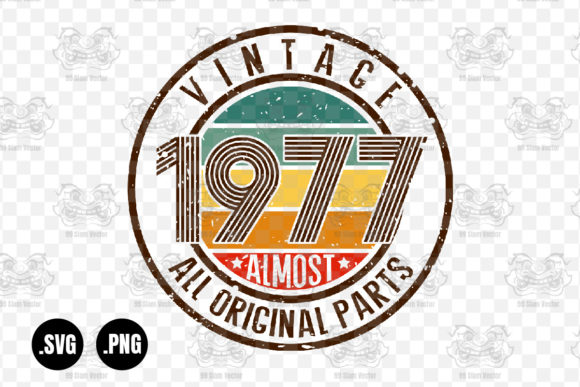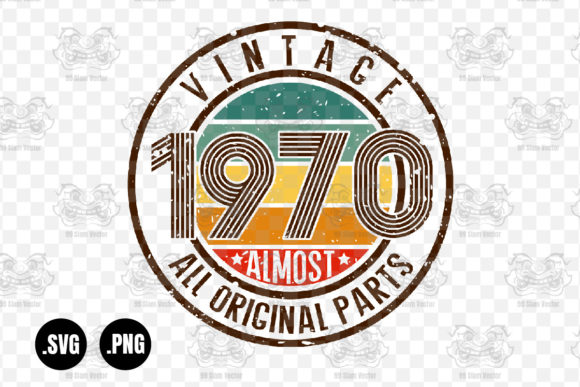
Vintage 1946 Almost All Original Parts: A Designer’s Review
As an embroidery designer who has spent years digitizing files and testing them on everything from stiff denim to delicate baby knits, I approach every new machine embroidery design with a critical eye. It is not enough for a graphic to look cute on a screen; it must survive the needle, the thread tension, and the wash cycle. Recently, I evaluated the Vintage 1946 Almost All Original Parts file for potential use in client projects and my own small shop inventory. This review breaks down how this specific asset performs when moved from a digital concept to a tangible, stitched reality.
First Impressions and Visual Personality
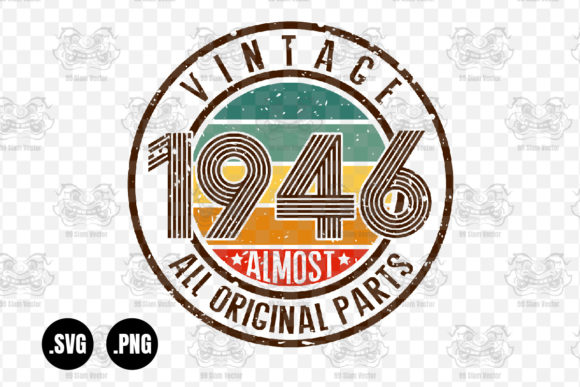
The immediate appeal of Vintage 1946 Almost All Original Parts lies in its nostalgic humor. The phrase plays on the classic automotive or mechanical trope of being "original," applied here to a person celebrating a birthday. For those in the Crafts and Graphics space, you know that typography-driven designs are tricky. They rely entirely on legibility and spacing. This design carries a mid-century aesthetic that feels authentic rather than forced. The layout suggests a balanced composition that should translate well into stitch work, provided the digitizer has respected the negative space between letters.
When I first loaded the file into my software, I looked for clean paths. A cluttered design creates thread breaks and bird nests. This particular SVG and PNG file set offers versatility, but for embroidery, we are focused on how those vector lines convert to stitch types. The mood is lighthearted yet dignified, making it suitable for a wide demographic of seventy-plus-year-olds who appreciate a good laugh about their age without feeling patronized.
Real-World Application: The Custom Sweatshirt Test
To truly understand the value of this design, I simulated a real-life production scenario. Imagine a customer ordering a custom birthday gift for their father. They want something wearable, comfortable, and conversation-starting. I chose a heather grey crewneck sweatshirt as the canvas. This is a common request for Etsy sellers and small shop product creators.
Placing Vintage 1946 Almost All Original Parts on the left chest area created a subtle, professional look. However, when scaled up for the back of the garment, the design became a statement piece. The key here is scale. In my test, I ensured the text remained large enough to be read from a few feet away. Small lettering in vintage-style fonts can easily become illegible if the stitch density is too high or if the font weight is too thin. This design appears robust enough to handle a standard fill stitch or a dense satin stitch border, ensuring the letters remain crisp against the textured fabric of the sweatshirt.
Versatility Across Product Lines
Beyond apparel, this design shines in home goods and accessories. Consider a heavy cotton tote bag. The flat surface of a tote allows for larger hoop sizes, giving the design room to breathe. As a tote bag design, it serves as both a functional item and a humorous accessory for grocery runs or library visits. Similarly, applying this to a kitchen towel creates a charming personalized gift that feels thoughtful and unique.
For embroidered patch makers, this graphic is ideal. Patches require high contrast and clear outlines. If you are using this as an applique design, you would need to ensure the backing fabric contrasts sharply with the thread colors. A cream-colored twill background with navy or black thread would evoke that authentic 1940s feel. The durability of a patch also means the design can withstand frequent washing, which is crucial for items that will see daily use.
Technical Considerations for Embroiderers
While the aesthetic is strong, practical execution requires attention to detail. Here are the technical factors I considered when preparing this file for stitching:
- Fabric Texture and Stability: Vintage fonts often have serifs or varying stroke widths. On textured fabrics like terry cloth or waffle knit, fine details can get lost. I recommend using a cut-away stabilizer for stretchy garments like t-shirts to prevent puckering. For woven fabrics like aprons or pillow covers, a tear-away stabilizer may suffice, but always test on scrap fabric first.
- Thread Color Contrast: The success of this design depends heavily on your thread colors. Since it is a text-based design, high contrast is non-negotiable. Avoid matching thread colors to the fabric. Instead, opt for classic combinations like white on navy, black on cream, or burgundy on grey to enhance readability.
- Hoop Size and Placement: Before committing to the final product, confirm the required hoop size. If the design is wide, you may need a rectangular hoop. Placing it on curved surfaces like caps requires careful hooping techniques to avoid distortion. Always center the design visually, not just mathematically, especially on garments with pockets or seams.
- Stitch Density Management: Check the digitized file for excessive density. Too many stitches in a small area can cause the fabric to pucker or the thread to break. If you are converting the SVG yourself, ensure you are using appropriate stitch types—running stitch for outlines, satin stitch for narrow letters, and fill stitch for broader elements.
Commercial Viability and Brand Consistency
For commercial embroidery professionals and digital product sellers, the licensing terms are paramount. The product description notes that the file is great for vinyl, printing, and designing, but it is essential to verify if the license extends to finished physical goods sold for profit. Assuming proper licensing is secured, this design adds significant value to a craft business portfolio.
Customers trust handmade products that look professional. A poorly stitched design undermines brand consistency. Vintage 1946 Almost All Original Parts, when executed correctly, enhances perceived value. It shows that the maker understands current trends while respecting traditional craftsmanship. It fits seamlessly into collections focused on milestone birthdays, retro aesthetics, or humorous holiday embroidery gifts.
Final Verdict for Makers
This design is a solid addition to any library of design assets. It is not overly complex, which makes it accessible for beginners, yet it has enough character to satisfy experienced apparel decorators. Whether you are creating a baby embroidery item for a grandparent or a custom apparel line for a boutique, this graphic holds up.
Remember to always create a printable mockup or a test stitch-out before running a full production batch. Check the alignment, inspect the small details for connectivity, and ensure the final finished product meets your quality standards. By treating this digital file with the same rigor as any other embroidery project, you can deliver a high-quality item that brings joy to the recipient and credibility to your brand.