Reviewing Halloween Faboolous SVG for Embroidery
As a designer who has spent countless hours digitizing and stitching out thousands of designs, I have learned that not every cute graphic translates well to thread. When I first opened the Halloween Faboolous SVG, my initial reaction was one of cautious optimism. The design promises a funny, cute aesthetic perfect for kids this Halloween, but in the world of machine embroidery, "cute" can sometimes mean "dense" or "finicky." My job is to look past the digital preview and imagine how this graphic behaves under the needle, on real fabric, in the hands of a customer.
First Impressions and Visual Personality
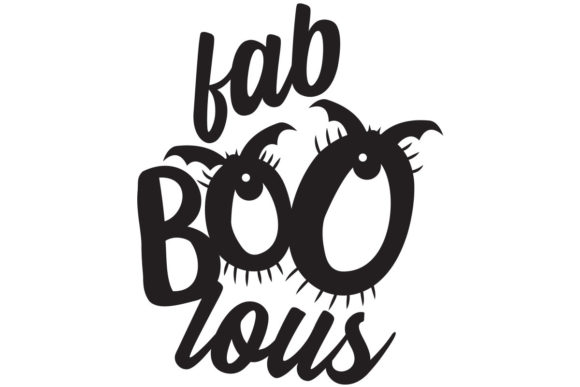
The mood of this piece is undeniably playful. It avoids the gore and grit often associated with October 31st, leaning instead into a whimsical, child-friendly vibe. For an embroidery project, this is a significant advantage. Parents are far more likely to purchase a sweatshirt or tote bag featuring a charming, lighthearted motif than something frightening. The layout appears balanced, which is crucial for maintaining structural integrity during stitching. However, because this is provided as an Halloween Faboolous SVG along with DXF, EPS, and PNG formats, it is primarily designed for cutting machines. This means we, as embroiderers, must approach it with a digitizer’s eye.
When evaluating graphics for conversion or direct use, I look for clean lines and distinct shapes. This design seems to offer that clarity. The visual personality suggests it would work beautifully as an applique design, where fabric pieces fill the larger shapes, reducing stitch count and preventing the stiffness that comes from heavy fill stitches. Alternatively, if stitched out entirely in thread, it would require careful management of satin stitch widths and running stitch outlines to keep the details crisp without becoming a tangled mess.
Real-World Application: The Custom Tote Bag Scenario
To truly test the viability of this design, I imagined a specific real-life scenario: preparing a custom embroidered tote bag for a local craft fair. Tote bags are a staple for any Etsy seller or small shop product line, especially during the holiday season. The canvas texture of a tote provides a stable base, but it also highlights every imperfection in stitch density.
If I were to use this Halloween Faboolous SVG for a tote bag design, I would likely scale it to fit a 5x7 hoop. The key here is contrast. On a natural or dark canvas, the thread colors need to pop. I would test high-contrast combinations, such as bright orange against black or purple against white, to ensure the "faboolous" theme reads clearly from a distance. For a handmade product like this, the perceived value increases when the stitching looks intentional and clean, rather than dense and puckered.
Beyond tote bags, this design has strong potential for custom apparel. Imagine it centered on the chest of a youth-sized sweatshirt. The softness of fleece requires a different approach than canvas. Here, a lighter stabilizer is non-negotiable to prevent distortion. The cute nature of the graphic makes it an ideal personalized gift for grandchildren, nieces, or nephews, adding emotional value to the finished product.
Navigating Technical Challenges
While the design is appealing, there are areas where caution is necessary. Since the original file types include SVG and DXF, which are vector-based, the complexity of the curves matters. In embroidery, tiny lettering or intricate corners can cause thread breaks or bird nests if not properly digitized. If you are converting this yourself, pay close attention to the small details. Are there elements that are too thin for a satin stitch? If so, consider using a running stitch for outlines or simplifying the shape.
Textured fabrics present another challenge. If you plan to use this on a waffle-knit towel or a ribbed sweater, the uneven surface can distort the design. In such cases, an applique approach is superior. By cutting fabric shapes to match the design’s main elements, you reduce the number of stitches penetrating the garment, preserving its drape and comfort. This is particularly important for baby embroidery, where softness is paramount.
Curved surfaces, such as caps or hats, require even more scrutiny. A design that looks flat on a screen can warp when stitched onto a curved brim. I recommend testing the design on a scrap piece of similar fabric stretched in the same hoop size you intend to use. Check how the stitch density affects the fabric’s tension. If the material pulls or gathers, you may need to adjust your stabilizer choice or reduce the density of any fill stitches.
Enhancing Brand Consistency and Customer Trust
For commercial embroidery and digital product sellers, consistency is key. Using a cohesive set of design assets helps build brand recognition. If your shop specializes in holiday-themed items, ensuring that Halloween Faboolous SVG aligns with your existing aesthetic is vital. Does it match the font styles and color palettes of your other listings? If so, it strengthens your boutique branding.
Customer trust is built on quality. A poorly stitched design can lead to returns and negative reviews. By taking the time to test thread color contrast and inspect small details before listing a finished product, you demonstrate professionalism. Buyers engage more with listings that show clear, high-resolution images of the actual stitched item, not just digital mockups. While printable mockups are useful for previews, showing the texture of the thread on fabric convinces the buyer of the item’s tangible value.
Practical Notes for the Embroidery Designer
Before committing to a large production run or listing this as a new item in your craft business, follow these practical steps:
- Test on Scrap Fabric: Always stitch out a test sample on the same material you plan to use for the final product. This reveals issues with tension and density.
- Check Thread Color Contrast: View your design in black and white to ensure the shapes remain distinct without color cues. This helps in selecting thread colors that provide sufficient contrast.
- Review Stitch Density: If you are digitizing this from the SVG, avoid overly dense fill stitches. They add weight and can cause puckering, especially on lighter fabrics.
- Confirm Hoop Size: Ensure the design fits comfortably within your available hoop sizes, leaving enough margin for stabilization.
- Inspect Small Details: Zoom in on the digital file. Are there tiny elements that might not stitch out cleanly? Simplify if necessary.
- Use Proper Stabilizer: Match your stabilizer to your fabric. Cut-away for stretchy knits, tear-away for stable wovens.
- Verify Licensing: Since this is a digital embroidery file intended for various uses, confirm the license terms. Can you sell finished items? Can you share the digital file? Always clarify this before selling.
In conclusion, Halloween Faboolous SVG offers a charming foundation for a variety of embroidery projects. Its strength lies in its versatility and appeal to a younger demographic. However, its success depends entirely on the executor’s attention to technical detail. By treating it not just as a graphic, but as a physical object to be constructed with thread and fabric, you can transform a simple download into a high-value handmade product. Whether for a cozy baby onesie, a sturdy tote bag, or a festive apron, this design has the potential to delight customers, provided it is handled with the care and expertise it deserves.