Review: Getting Drunk Please Wait, Drinking SVG for Embroidery
As a designer who has spent countless hours digitizing and stitching out files for clients, I approach every new machine embroidery design with a critical eye. It is not enough for a graphic to look good on a screen; it must translate flawlessly onto fabric. Recently, I evaluated the Getting Drunk Please Wait, Drinking SVG to determine its viability for real-world craft projects. This piece falls under the broad categories of Crafts and Graphics, but its application in embroidery requires specific technical consideration.
First Impressions and Visual Personality
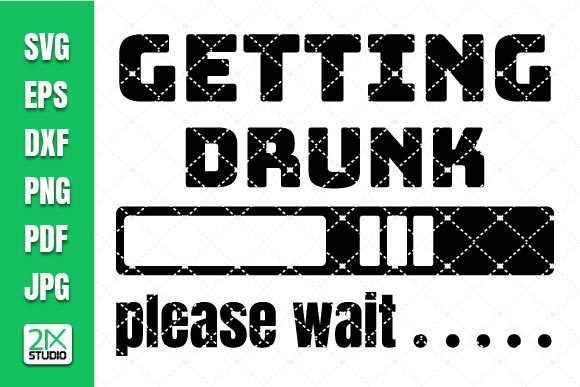
The initial appeal of the Getting Drunk Please Wait, Drinking SVG lies in its humorous and relatable theme. In the world of personalized gifts and custom apparel, humor sells. The layout suggests a playful mood, ideal for social gatherings, bachelorette parties, or casual weekend wear. However, from a technical standpoint, SVG files are vector-based graphics primarily designed for cutting machines like Cricut or Silhouette. Using them for embroidery requires a crucial intermediate step: digitization.
When I first opened the file, I assessed the line weight and complexity. The text appears bold and clear, which is promising for stitch clarity. Simple, bold shapes generally convert better into satin stitches or fill stitches without becoming muddy. The visual personality is informal and fun, making it a strong candidate for items meant to spark conversation rather than convey formal elegance.
Real-World Application: The Tote Bag Test
To understand how this design performs, I imagined a common scenario for many Etsy sellers and small shop owners: creating a custom embroidered tote bag for a wedding party. The bride wants matching bags for her bridesmaids, featuring a funny quote to lighten the pre-wedding stress. The Getting Drunk Please Wait, Drinking SVG fits this narrative perfectly.
In this context, the design would likely be stitched onto canvas or heavy cotton. These fabrics provide a stable base, reducing the risk of puckering. I visualized using a dense fill stitch for the letters to ensure durability, as tote bags undergo frequent use and washing. The contrast between bright thread colors and a natural canvas background would make the text pop, enhancing the handmade product's visual appeal. For a craft business, offering such a personalized item can significantly boost buyer engagement and brand consistency.
Performance on Custom Apparel and Textured Fabrics
Beyond tote bags, this design has potential for sweatshirt embroidery and custom apparel. When working with knit fabrics, such as those used in hoodies or t-shirts, stability is key. I would recommend using a cut-away stabilizer to prevent the design from distorting over time. The Drinking Shirt Svg concept suggests a casual garment, so the stitch density should be balanced—dense enough to cover the fabric but not so heavy that it stiffens the garment uncomfortably.
For textured fabrics like towels or aprons, the design’s bold lines are advantageous. Fine details often get lost in the pile of a towel, but the straightforward typography of this SVG should remain legible. This makes it a viable option for kitchen towels or bar aprons, adding a touch of humor to functional home goods. However, one must be cautious with thin or stretchy fabrics. Without proper hooping and stabilizer selection, the text could warp, ruining the professional look of the finished product.
Technical Considerations for Embroiderers
Since the source file is an SVG intended for cutting, it is not a native embroidery file format like PES or DST. This distinction is vital for embroidery designers. You cannot simply load an SVG into most embroidery machines. You must either manually digitize the design or use software to auto-digitize it. Auto-digitizing often results in poor stitch paths, excessive jump stitches, and inefficient thread usage. Therefore, I advise treating this SVG as a reference image rather than a ready-to-stitch file.
Key technical checks include:
- Hoop Size: Ensure the design fits within your machine’s hoop capacity. Large text designs may require repositioning or splitting if they exceed standard hoop dimensions.
- Stitch Density: Adjust the density based on the fabric. High density on delicate fabric causes puckering; low density on thick fabric looks sparse.
- Thread Colors: Test contrast. Dark threads on dark fabrics disappear. Use light threads for visibility or consider applique techniques if the design allows.
- Small Details: Check for tiny corners or serifs that may not stitch out cleanly. Simplify these areas during digitization.
Commercial Viability and Licensing
For Etsy sellers and creative entrepreneurs, understanding licensing is non-negotiable. The product description mentions "Wedding Party SVG files for Cricut Digital File instant Download," which implies it is sold as a digital craft pattern. Before selling finished items like embroidered patches or baby clothes featuring this design, you must confirm the license terms. Some creators allow commercial use of finished physical products but prohibit reselling the digital file itself. Always verify this to protect your craft business from legal issues.
If licensed for commercial use, this design can enhance your small shop product line. It appeals to a specific niche—those who enjoy witty, adult-themed humor. This specificity can drive targeted traffic to your store. However, ensure the final embroidered quality matches the professionalism expected by buyers. A poorly stitched joke is still a poorly stitched product.
Final Verdict and Designer Notes
The Getting Drunk Please Wait, Drinking SVG is a charming graphic with strong potential for humorous, casual embroidery projects. Its bold lines and clear message make it suitable for tote bags, sweatshirts, and aprons. However, its origin as a cut file means it requires careful digitization before it becomes a viable machine embroidery design.
Before committing to a large batch of holiday embroidery or wedding gifts, always test the design on scrap fabric. Check how the stitch density interacts with the fabric texture. Compare mockups on both light and dark backgrounds to ensure readability. By taking these practical steps, you can transform a simple digital asset into a high-value handmade product that delights customers and strengthens your brand reputation.
Remember, the success of any embroidery project lies not just in the design choice, but in the technical execution. Treat this SVG as a starting point, apply your expertise in stabilizer selection and thread management, and you will create a finished product that stands out in the crowded marketplace of custom apparel and personalized gifts.