Funny Mom Design: Did Someone Say Food Review
As a designer who has spent years translating digital files into tangible thread on fabric, I approach every new machine embroidery design with a mix of excitement and skepticism. The market is flooded with generic clip art, so finding a piece that actually translates well from screen to stitch is a specific skill in itself. Today, I am evaluating the Funny Mom Design , Did Someone Say, specifically the "Did someone say food" variation. This isn't just about checking if the lines are clean; it is about determining if this Graphics asset can survive the rigors of a real-world embroidery project and stand up as a viable product for a craft business.
The First Impression: Visual Personality and Layout
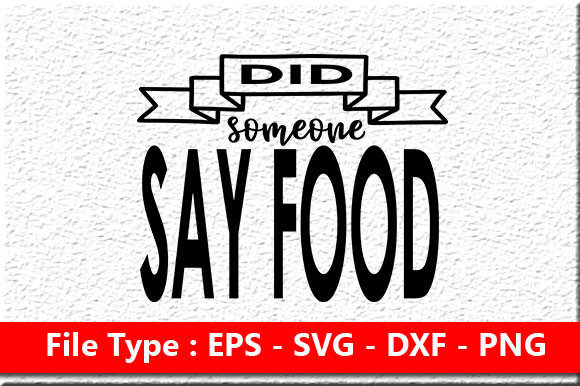
When I first opened the preview of the Funny Mom Design , Did Someone Say, the immediate mood was playful and relatable. The typography appears bold and slightly whimsical, which is essential for text-heavy designs intended for custom apparel. In the world of handmade products, humor is a powerful selling point, but only if the execution feels professional. The layout suggests a balanced composition where the phrase "Did someone say food" takes center stage, likely surrounded by subtle decorative elements or icons related to dining.
From a design perspective, the spacing between letters looks promising for fill stitch work. Tight kerning can be a nightmare when stitching, often leading to thread bunching or gaps in the coverage. Here, the negative space seems sufficient to allow the needle to move freely without creating tension issues. However, visual appeal on a monitor does not always guarantee success on a textured fabric like a heavy cotton canvas or a soft fleece sweatshirt. The true test lies in how the stitch density handles the curves of the lettering and any accompanying graphic elements.
Real-World Application: From File to Finished Product
Let's imagine a scenario where I am preparing a batch of items for an upcoming holiday sale. I have a client requesting personalized aprons for a group of mothers who love to cook. The Funny Mom Design , Did Someone Say fits this brief perfectly. I envision this design placed prominently on the bib of a sturdy linen apron. The light-colored thread against a dark brown or navy background would create high contrast, ensuring the message pops immediately.
In this context, the design serves more than just decoration; it establishes a brand identity for a boutique shop. For an Etsy seller or a small shop owner, consistency is key. If you use this design across multiple mediums—say, a tote bag design, a kitchen towel, and a pillow cover—it creates a cohesive collection. The versatility of the file formats provided (SVG, EPS, PNG, DXF) allows for flexibility. While SVG and DXF are crucial for cutting machines or digitizing adjustments, the PNGs are excellent for creating printable mockups to showcase the product before production begins.
However, consider the application on a baby item. A onesie or a burp cloth featuring this design could be a delightful personalized gift. The challenge here is the fabric texture. Baby clothes are often made of thin, stretchy jersey knit. If the stitch density of the embroidery file is too high, it might cause the fabric to pucker, ruining the drape and comfort of the garment. In such cases, using a tear-away stabilizer and perhaps reducing the fill percentage during digitization becomes necessary to maintain the integrity of the finished product.
Navigating Technical Challenges and Fabric Limitations
While the concept is strong, there are specific situations where the Funny Mom Design , Did Someone Say requires careful handling. Small hoop sizes are a potential pitfall. If the design includes intricate details or tiny lettering within the phrase, shrinking it down to fit a 4x4 inch hoop can lead to legibility issues. The threads may overlap, obscuring the words and turning a clear message into a fuzzy blob. Always check the recommended minimum size for the design to ensure the running stitch outlines remain crisp.
Another critical factor is the surface area. Embroidering on curved surfaces like caps presents unique challenges. The design must be flat enough to lay correctly on the cap panel without distorting the text. If the design spans too wide, the curvature will cause the stitches to pull unevenly, resulting in a wavy appearance. Similarly, layered garments or thick materials like denim jackets require robust backing. Without proper support, the needle might struggle to penetrate the layers, leading to skipped stitches or broken needles.
Dark fabrics also demand attention. When stitching white or light-colored thread on black fabric, the backing must be flawless. Any show-through of the stabilizer can ruin the professional look. Additionally, frequent washing is a reality for kitchen towels and aprons. The thread colors must be colorfast, and the satin stitch borders should be secure enough to withstand agitation in the wash without fraying. Testing the design on a scrap piece of the actual fabric is non-negotiable to verify these factors.
Strategic Advice for Designers and Business Owners
For those looking to incorporate this digital embroidery file into their commercial offerings, due diligence is paramount. Before committing to a large run, always test the design on scrap fabric first. Check the thread color contrast to ensure readability from a distance. Review the stitch density closely; areas that look solid on screen might need to be opened up to prevent puckering.
Confirm the hoop size requirements early in your planning process. If you are designing for a specific product line, ensure the dimensions align with your equipment capabilities. Inspect small details under magnification to catch any potential thread breaks or loose ends. It is also wise to test the design in black and white mockups to see how the value structure holds up without the distraction of color.
Finally, verify the licensing terms. As a small shop product creator, you must confirm whether the license allows for selling finished goods or if it is restricted to personal use. Some design assets come with limitations on the number of items you can sell. Understanding these terms protects your business and ensures compliance. Whether you are creating a one-off holiday gift or launching a full line of commercial embroidery merchandise, treating the Funny Mom Design , Did Someone Say with technical respect will yield the best results.
Ultimately, this design offers a fun, engaging theme that resonates with a broad audience. With the right preparation, fabric selection, and technical execution, it can become a standout item in any Crafts portfolio. By focusing on the practicalities of stitching and presentation, you transform a simple graphic into a high-quality, desirable handmade product that customers will love to wear and display.