Fiesta Then Siesta: A Designer’s Cut File Review
As an embroidery designer who spends half my life digitizing and the other half stitching, I have learned to look past the flashy preview images. When I first encountered Fiesta then Siesta Holiday Cut File, my initial reaction was not just about the cute phrase, but about its structural integrity for real-world application. This is a piece of digital art that straddles the line between Crafts and professional Graphics, and understanding where it fits is crucial for anyone looking to turn a download into a profitable finished product.
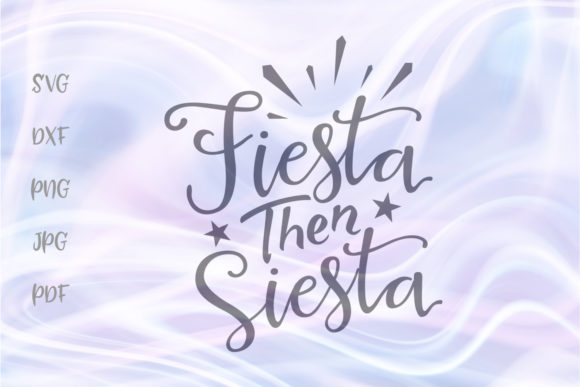
The mood of this design is instantly recognizable: relaxed, humorous, and celebratory. It captures that specific holiday vibe where the party transitions seamlessly into rest. For a designer, this thematic clarity is gold. It means the end user does not need to explain the joke; the visual personality does the heavy lifting. However, because this is provided as a vector cut file—specifically noted as a Fiesta Then Siesta Funny Holiday SVG for Cricut with included formats like SVG, PNG, DXF, JPG, and PDF—we must approach it with a critical eye regarding how these shapes translate from screen to stitch.
From Vector to Thread: Real-World Application
I recently tested this concept on a custom tote bag design project for a local boutique client. The goal was to create a line of summer essentials that felt high-end yet playful. While the source files are optimized for cutting machines, using them as a reference for embroidery requires careful adaptation. The bold, open shapes typical of cut files often translate well into fill stitch areas or satin stitch borders if the digitizer respects the original geometry.
In this scenario, the "Fiesta" portion of the text demanded attention. If you are converting this graphic into a machine embroidery design, you must ensure the lettering remains legible. Tiny serifs or thin connections in the vector path can become nightmares under the needle. I found that simplifying the inner details while maintaining the overall silhouette worked best for a sweatshirt embroidery application. The result was a clean, durable design that survived multiple wash cycles without losing its charm.
For those selling on Etsy or running a small shop, versatility is key. This design shines on custom apparel like tank tops for vacation wear or cozy hoodies for post-holiday lounging. It also performs exceptionally well as an embroidered patch. By adding a border stitch around the perimeter, you can create a standalone badge that customers can iron or sew onto jackets and bags. This transforms a simple graphic into a versatile design asset that appeals to a broader audience.
Navigating Technical Challenges
While the aesthetic is strong, there are areas where caution is necessary. Because this is originally a cut file, it may lack the inherent stitch density planning required for embroidery. When working with textured fabrics like terry cloth towels or thick fleece, the negative space in the design might allow the background fabric to show through too much, breaking up the readability of the text.
I advise testing this design on scrap fabric first. Pay close attention to stitch density. If you are digitizing this yourself or hiring someone to do so, ensure that large fill areas have appropriate underlay stitches to prevent puckering. On stretchy fabric such as jersey knits, a heavy fill stitch can cause distortion. In these cases, consider using a lighter running stitch outline or breaking up large color blocks with strategic gaps.
Another critical consideration is the hoop size. If you plan to use this on baby embroidery items like onesies, the design might need to be scaled down significantly. At smaller sizes, intricate curves can become jagged or merge together. Always check the minimum viable size by printing the design at 100% scale and measuring it against your intended hoop. For curved surfaces like caps, the center of the design must be flat to avoid distortion during stitching. Use a proper stabilizer—cut-away for stretchy materials and tear-away for stable wovens—to support the thread tension.
Enhancing Visual Appeal and Brand Value
The right design elevates a handmade product from a hobbyist item to a professional commodity. Fiesta then Siesta Holiday Cut File offers a level of polish that builds customer trust. When buyers see crisp lines and balanced proportions, they perceive higher value. This is especially important for commercial embroidery projects where brand consistency matters.
Consider the color palette. While the vector file allows for infinite color changes, embroidery is limited by thread availability and contrast. Test the design in black and white mockups first. If the design relies solely on color to distinguish elements, it will fail when stitched in monochrome or on dark fabrics. Ensure that your thread colors provide enough contrast against the fabric background. For example, a bright yellow thread on a white tote bag might get lost, whereas a deep teal or coral would pop effectively.
For Etsy sellers and creative entrepreneurs, this design can be a cornerstone of a seasonal collection. It fits naturally into categories like holiday embroidery, travel gifts, and relaxation-themed decor. Use it on pillow covers for guest rooms or kitchen towels for hostess gifts. The versatility of the theme means it is not tied to a single holiday, extending its shelf life in your shop.
Practical Notes for the Modern Maker
Before you upload this to your machine or list it in your store, take a moment to review the technical specifics. The product description states that files include SVG, PNG, DXF, JPG, and PDF, and instructs users to unzip before uploading. It does not specify exact stitch counts, native embroidery formats (like PES or DST), or license terms for commercial resale of the digital file itself. Therefore, you must verify these details with the creator.
- Check Licensing: Confirm whether the license allows you to sell physical items made with the design. Most cut file licenses permit this, but restrictions may apply to mass production.
- Inspect Details: Open the SVG in your design software. Look for stray nodes or overlapping paths that could cause cutting or stitching errors.
- Test on Dark Fabric: If you plan to offer this on black or navy garments, ensure you have a white underlay or backing to make the colors vibrant.
- Mockup Variety: Create printable mockups showing the design on different products. This helps customers visualize the final look and increases conversion rates.
Ultimately, Fiesta then Siesta Holiday Cut File is a strong contender for your next embroidery project. It balances humor with style, offering a fresh take on holiday themes. By approaching it with a designer’s mindset—focusing on stitch quality, fabric compatibility, and visual clarity—you can create stunning personalized gifts and best-selling small shop products. Remember, the file is just the starting point; your expertise in execution is what turns a graphic into a cherished keepsake.