Feeling Witchy Svg: A Designer's Real-World Review
As someone who has spent years translating digital graphics into tangible thread on fabric, I approach every new design asset with a mix of excitement and skepticism. The market is flooded with Halloween-themed files, but finding one that balances whimsical charm with structural integrity for stitching is rare. Today, I am putting Feeling Witchy Svg through the paces to see if it holds up as a viable machine embroidery design for your craft business or personal projects.
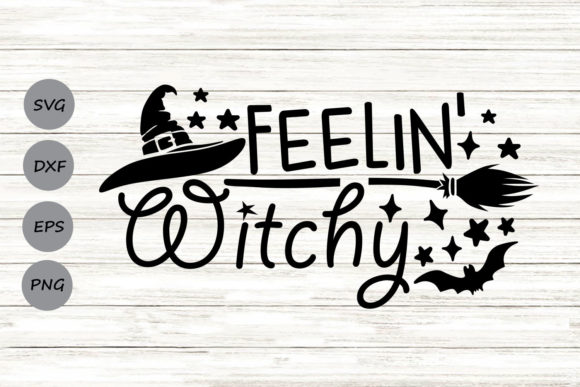
When I first opened the file preview for this Graphics package, the immediate mood was playful rather than spooky. It features the classic silhouette of a witch hat paired with bats and a cheeky phrase. For an Etsy seller or small shop owner looking to launch a seasonal collection, the visual personality is instantly recognizable. However, the transition from a crisp SVG cut file to a textured embroidered patch requires careful consideration. Let’s dive into how this design performs when you actually sit down at the hoop.
First Impressions: Mood and Visual Weight
The layout of Feeling Witchy Svg suggests a design meant for bold statements rather than delicate accents. The witch hat dominates the composition, creating a strong focal point that would work exceptionally well on a tote bag design or a heavy cotton sweatshirt. In my experience, designs with clear, bold outlines like this tend to translate better into satin stitch borders, giving the finished product a professional, defined look.
However, the inclusion of bats introduces a variable in terms of stitch density. Small flying creatures can easily become muddy if the fill stitch isn't optimized for the scale of the project. When reviewing this as a potential commercial embroidery asset, I immediately thought about how the negative space between the bats and the text would hold up under magnification. If you are planning to sell these as personalized gifts, clarity is non-negotiable. A blurry bat on a $30 hoodie looks like a mistake; a crisp one looks like craftsmanship.
Real-Life Application: The Custom Sweatshirt Scenario
Let’s imagine a specific scenario: You are preparing a batch of custom apparel for a local boutique. You have selected a heather grey French terry sweatshirt and want to place Feeling Witchy Svg on the chest pocket area. This is a common use case for holiday embroidery, but it presents specific challenges.
First, the fabric texture of a sweatshirt is soft and slightly fuzzy. If the design relies too heavily on tiny running stitches for the text, those details might get lost in the loops of the fabric. I would recommend converting the lettering to a thicker font style within your digitizing software before importing the embroidery file. Alternatively, using a dense satin stitch for the outline of the text ensures it pops against the dark or medium-toned background.
Next, consider the placement. On a curved surface like the front of a sweatshirt, the design must be flexible enough to lay flat without puckering. The Feeling Witchy Svg layout is relatively compact, which is a plus. It fits comfortably within a standard 5x7 inch hoop size, making it accessible for home decorators and small business owners alike. However, if you attempt to shrink this design significantly for a baby embroidery project, you risk losing the definition of the witch hat brim. Always test the design on scrap fabric first to ensure the smallest elements remain distinct after stitching.
Navigating Fabric and Hoop Constraints
Not all fabrics play nice with every design. While this file is versatile, there are areas where caution is required. If you are working with thin, stretchy fabric like jersey knit for a t-shirt, the weight of the thread in the fill stitch areas could cause the material to warp. In these cases, using a tear-away stabilizer is essential to support the design during the stitching process.
For textured fabrics like canvas tote bags or denim aprons, the design shines. The rugged nature of these materials complements the bold lines of the witch hat and bats. Conversely, if you are attempting this on a structured cap, the curved surface might distort the symmetry of the bats. You may need to adjust the angle of the design or reduce the stitch count slightly to accommodate the curvature without causing thread breakage.
Another critical factor is color contrast. Since this is a Halloween theme, black thread on a black garment is a recipe for invisibility. As a designer, I always advise checking your thread colors against the fabric swatch before starting the run. Using a metallic gold or bright orange for the fill stitch can elevate the handmade product from simple to premium, increasing its perceived value for customers browsing your shop.
Commercial Viability and Brand Consistency
For the creative entrepreneur or digital product seller, Feeling Witchy Svg offers a solid foundation for building a cohesive brand identity around the holiday season. The "funny" aspect of the design appeals to a younger demographic, making it perfect for college students or young adults. This aligns well with the current trend of personalized gifts that feature inside jokes or relatable humor.
However, before listing items made with this design on Etsy or at a craft fair, you must confirm the licensing terms. Many digital assets sold as Crafts are restricted to personal use only. Ensure you have the right to create and sell finished products. If you plan to sell the embroidery file itself as a digital download, verify that the license allows for resale of the design assets.
Visual appeal directly impacts buyer engagement. A high-quality embroidered patch featuring this design can serve as a standalone product or an add-on to increase the average order value of your store. Customers trust brands that pay attention to detail. If the stitching is loose, the colors bleed, or the design looks pixelated, it reflects poorly on your entire inventory. Taking the time to review stitch density and perform a test run in black and white mockups can save you from costly mistakes and returns.
Practical Notes for the Embroidery Pro
To get the most out of Feeling Witchy Svg, here are a few practical steps I recommend integrating into your workflow:
- Test on Scrap Fabric: Never skip this step. Stitch the design on a piece of the actual fabric you intend to use to check for tension issues and fabric distortion.
- Check Thread Colors: Plan your palette carefully. High contrast is key for readability, especially on busy patterns or dark backgrounds.
- Review Stitch Density: Look closely at the bat wings and hat brim. If the fill stitch is too dense, it may feel stiff; too sparse, and it will look unfinished.
- Confirm Hoop Size: Ensure your machine can accommodate the full width and height of the design without needing to re-hoop mid-stitch, which can ruin alignment.
- Inspect Small Details: Zoom in on the text and tiny bat shapes. If they are smaller than 0.1 inches, consider simplifying them to avoid thread bunching.
- Use Proper Stabilizer: Match the stabilizer to the fabric weight. Heavyweight stabilizers are often needed for thick hoodies, while lightweight ones suffice for tea towels.
- Verify Licensing: Double-check the terms of use for both personal and commercial projects to protect your business.
In conclusion, Feeling Witchy Svg is a strong contender for your next Halloween collection. Its playful aesthetic and bold structure make it suitable for a wide range of applications, from cozy nursery decor to edgy streetwear. By applying professional judgment regarding fabric choice, stitch settings, and licensing, you can transform this digital graphic into a high-quality, market-ready finished product that delights customers and strengthens your brand.